
Prakash Saput is a Nepali singer, songwriter, composer, actor and director known for joining folk music with social storytelling. “Bola Maya,” “Galbandi,” “Pir” and “Sakambari” are important points in a career built around characters and situations as well as melodies. His official website describes music and cinema as connected ways of sharing stories, a useful introduction to an artist who works across both forms. Prakash Saput's official website
From performing to telling stories
Saput's route into music included singing in dohori venues and working in the entertainment industry before his best-known releases. In an Onlinekhabar interview, he connected his compositions to the changing rural world he had experienced. Music, radio, television and village gatherings formed part of that background. The interview also describes his work at Gambesi Dohori and later at Prithvi Entertainment. Onlinekhabar's career profile
“Bola Maya” brought him wider recognition in 2018. Its story addresses the emotional cost of labour migration, using a musical narrative about a worker returning home in a coffin. Saput explained that the mourning style heard towards the end drew on an experience in his own village. The song shows why his work is often discussed as storytelling: the dramatic situation and the way it is sung belong together.
Galbandi and a broader musical career
“Galbandi” offers another major entry into his catalogue, while later releases such as “Pir,” “Damai Maharaja” and “Bujhina Maile” expanded the range of stories associated with him. A 2024 profile discussed the move from his successful music videos towards making a feature film, identifying Basanta as his planned directorial debut. Onlinekhabar's stage-to-screen profile
His concern with representation also appears outside his own releases. At a June 2024 discussion on exclusion in Nepali cinema, Saput argued for stories that help people connect and recognise experiences that society overlooks. That discussion gives context to the social questions running through his musical work. The Kathmandu Post's report on inclusion in cinema
For a first listening sequence, pair “Bola Maya” with “Galbandi,” then move to “Pir” and “Damai Maharaja.” Watch the complete videos: plot, characters and dialogue are integral to understanding how the songs communicate. After that, try “Dohori Battle” for another part of his musical range. Discover more Nepali recordings through Odhan's music charts.
Discography
This listening selection links full recordings from Prakash Saput’s official YouTube channel. Saput is also a songwriter and composer: entries sung by other artists identify those singers and his writing/composition role.
Year refers to the linked YouTube upload, which may be later than the original song release. The uploads playlist was followed to its final page. These selected full recordings highlight the catalogue; promotional clips, duplicate uploads and unrelated videos are omitted. Other labels and channels may hold additional recordings.
Singles and music videos
 Kartavya (Mero Pani Haina Ra Yo Desh 2)
 Nai Bhanesi Nai — Samikshya Adhikari and Eleena Chauhan; written and composed by Saput
 Sajha Paryo Jhamakka — with Shanti Shree Pariyar
 Majdoor — with Milan Lama
 Mutu Katakkai — with Kushal Belbase and Pratap Das
 Khulera Kura Garau — with Tulsi Bohora and Rekha Joshi
 Jale Rumal Fatyo — Samikshya Adhikari; written and composed by Saput
 Damai Maharaj — with Shanti Shree Pariyar
 Sakambari (Phoolmaya) — with Barta Gandharbha
 Para Para Chhu — Tulsi Bohara; written and composed by Saput
 Nabhana Bideshi — with Nisha Sunar
 Pir — with Samjhana Bhandari; revised official upload
 Kura Bujhna Parcha — Shanti Shree Pariyar and Samikshya Adhikari; written and composed by Saput
 Mero Pani Haina Ra Yo Desh
 Phuteka Chura — with Anita Chalaune
 Badala Barilai — Devi Gharti Magar; written and composed by Saput
 Namaskar
 Galbandi — with Shanti Shree Pariyar
 Lururu Hururu — with Sunita Adhikari
 Dohori Battle 2 — with Preeti Ale
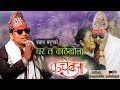 Ghar Ta Kathekhola
 Naurangi Sapana — with Manju BK and Kajal Gurung
 Bola Maya — with Narayan Rayamajhi and Shanti Shree Pariyar
 Dohori Battle — with Preeti Ale
 Sadabahar Taruni — with Rita Thapa Magar
 Juraya Chha Lagan — with Parbati Stri
 Charara Barara Dharara — with Samjhana Lamichhane Magar
 Makur Makur Ghur — with Devi Gharti
Acoustic, live and alternate versions
| Year | Song | Time |
|---|---|---|
| 2018 |  Bola Maya — live with Shanti Shree Pariyar |
12:08 |
Catalogue checked November 19, 2026.
Quick questions
What is Prakash Saput known for? Folk-based songs and music videos that combine entertainment with social narratives.
Which song brought him wider recognition? “Bola Maya,” released in 2018, was a major breakthrough.
Does he also work in film? Yes. His creative roles include acting and directing alongside singing, writing and composing.