
Narayan Gopal occupies a central place in Nepali modern music. Known as Swar Samrat, or Emperor of Voice, he gave songs about affection, separation and memory an intimacy that still draws listeners toward older recordings. His importance also reaches beyond performance: the story of his music connects Kathmandu’s neighbourhood gatherings, literary collaboration, radio broadcasting and the preservation of Nepal’s recorded heritage.
From Kathmandu gatherings to a national voice
His early musical world included the informal circles of old Kathmandu. In recollections published by ECS Nepal, contemporaries describe a young musician who played tabla and joined the gatherings around Ram Man Trishit. Prem Dhoj Pradhan remembered their neighbourhood performances through Nava Kala Pariwar. Those accounts place Gopal within a community of musicians learning and performing together, before later fame made him seem a solitary figure. ECS Nepal’s recollections offer a particularly useful picture of that period.
Radio Nepal carried his singing to a wider public. He became closely associated with adhunik sangeet, the Nepali modern-song tradition in which poetry and melody work together. He also taught music and worked at the Cultural Corporation. These roles show an artist involved in musical institutions as well as the recording studio. Nepal News’s retrospective describes that broader professional life.
Songs to begin with
Start with “Kehi Mitho Baat Gara,” “Malai Nasodha” and “Yo Samjhine Man Chha.” Then try “Timro Jasto Mutu” and “Yeti Dherai Maya Diye.” These are useful entry points into the repertoire identified in OnlineKhabar’s survey of Nepali music legends. Listen to a complete recording before moving to another version: the pace of a phrase, the space between lines and the relationship between voice and accompaniment can be as revealing as the tune itself.
His legacy also depends on access to recordings. Nepali Times documented Wild Yak Records’ work with analogue copies preserved by Music Nepal for a vinyl collection. That project highlights why an archive matters: new listeners need the actual performances, alongside the stories told about the singer. Read the account of that preservation effort.
Gopal died in 1990, but his catalogue remains a meeting point between generations. After exploring those classics, Odhan’s Nepali music charts offer a way to follow the wider listening landscape today.
Discography
This listening selection links recordings credited to Narayan Gopal and distributed by Music Nepal through YouTube’s auto-generated artist Topic service. These are official label-distributed audio uploads, not an artist-managed channel or newly recorded performances.
Year refers to the linked YouTube upload, which may be later than the original song release. A curated selection of 36 distinct Music Nepal recordings. Remake-labelled editions and duplicate song uploads are omitted; this is not a complete lifetime discography.
Singles and music videos
 Himal Sari — with Aruna Lama
 Mohani Lagla Hai — with Asha Bhosle
 Maya Ta Maya (Timro Maan Ma) — with Asha Bhosle
 Kasari Ma Bhule
 Kehi Mitho Baat Gara
 Ma Ta Laliguras Bhaye
 Timi Jun Raharle
 Bipana Nabhai Bachidine
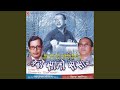 Mero Sano Sansar
 Timilai Bhulda
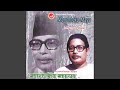 Maile Punya Maan Paraye
 Manchheko Maya — with Gyanu Rana
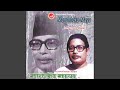 Pahadko Mathi Mathi — with Asha Bhosle
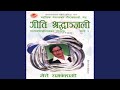 Pokhiyera Ghamko Jhulko
 Ishwor Taile Rachera Feri — with Kamala Shrestha
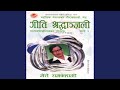 Lau Suna Ma Bhanchhu
 Jhareko Paat Jhai
 Duita Phool Deuralima
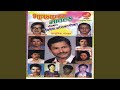 Yo Samjhine Mann Chha
 Yasaigari Bitaidinchhu
 Malai Nasodha
 Mera Sabai Raat
 Jun Phool Maile
 Galti Hajar Hunchhan
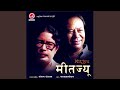 Ye Malai Maya Garchhu
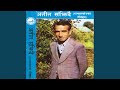 Ye Kanchha Thattaima — with Tara Devi
 Birata Ko Chino
 Yati Chokho Yati
 Chumera Panabhari
 Yati Dherai Maya Die
 Eauta Manchheko Maya
 Saunko Jhari Bani
 Timro Jasto Mutu
 Aaja Bholi (Harek Sanjha)
 Parkhi Base Aaula
 Timilai Ma Ke Bhanu
Catalogue checked November 19, 2026.
Quick questions
What does Swar Samrat mean? It means Emperor of Voice, the honorific associated with Narayan Gopal.
Which musical tradition is he associated with? Nepali adhunik sangeet, alongside film songs and other recorded work.
Where should a new listener start? “Kehi Mitho Baat Gara,” “Malai Nasodha” and “Yo Samjhine Man Chha” make an accessible first set.