
Deep Shrestha is a Nepali singer and composer closely associated with the development of modern Nepali song. “Ma Patharko Deuta Haina”, “Ma Ta Dur Dekhi Aaye” and “Kati Kamjor Rahecha Bhagya” are among the recordings through which listeners have come to know his voice and compositions. An interview published by The Himalayan Times identifies his first recorded song, “Ma Patharko Deuta Haina”, as his own composition with lyrics by Bijay Shrestha.
From Dharan to the recording studio
Shrestha grew up in Dharan, singing at school functions before finding a wider musical path. In an extended conversation with ECS Nepal, he described how a theatre group from Dharan brought him to perform in Kathmandu and how that experience opened the door to recording at Radio Nepal. The broadcaster gave him space to develop his repertoire and work with lyricists including Vijay Shrestha, Shiva Shanker Thapa and Basanta Thapa. ECS Nepal’s original interview is especially valuable for its account of that working environment.
Recording then demanded preparation: as Shrestha recalled, a mistake could mean performing the entire song again. That recollection gives an insight into the discipline behind recordings that later became familiar through radio and cassette listening. His development involved learning instruments, collaborating with writers and refining performance, as well as singing. ECS Nepal
The songwriter inside the singer
His catalogue also makes the overlap between those roles audible. Music Nepal’s official release of “Ma Ta Dur Dekhi Aaye” credits Shrestha with the words, music and vocals. “Har Raat Sapanima” pairs his singing and composition with Biplap Pratik’s lyrics. Radio Nepal’s edition of “Jhaskiyecha Man Mero” credits Bhairavnath Rimal as lyricist and Shrestha as singer and composer. Following those credits gives a fuller picture than treating every song as the work of one person.
Shrestha’s career has also travelled beyond Nepal. SBS revisited an interview recorded on November 17, 2011 during what the broadcaster describes as his first Australia tour. That dated archive provides a direct connection between his established Nepali repertoire and audiences abroad. SBS Nepali’s archive feature
His influence has reached younger performers as well. In an original Kathmandu Post interview, Deepak Bajracharya credited Shrestha with helping him understand vocal registers and the technique needed to sustain live singing. That is a different kind of contribution from a hit recording, but an instructive part of his place in Nepal’s musical community. Deepak Bajracharya’s interview
Discography
Explore individually credited recordings by Deep Shrestha. The selection draws on licensed label and official Topic releases, with separately identified broadcaster performances.
Year refers to the linked YouTube upload, which may be later than the original song release. Selected full recordings are presented below; this listening guide does not claim to list every lifetime release. Repeated editions and multi-song compilations are omitted.
Singles and music videos
| Year | Song | Time |
|---|---|---|
| 2024 |  Biteka Kurale |
4:56 |
| 2024 |  Bhanthin Meri Uni |
3:24 |
| 2024 |  Samjhi Base Timilai Aafno Bhanera |
3:26 |
| 2024 |  Kati Kamjor Rahecha Bhagya |
2:59 |
| 2024 |  Kasto Rahecha |
4:01 |
| 2024 |  Hu Yatri Ma Euta |
3:28 |
| 2024 |  Timi Tadha Hunchau Jati |
3:49 |
| 2024 |  Ma Pattharko Deuta Hoina |
3:10 |
| 2024 |  Adharko Muskan |
3:01 |
| 2024 |  Timi Aakashko |
4:07 |
| 2024 |  Bidhuwale |
4:05 |
| 2024 |  Hajar Binti |
3:33 |
| 2024 |  Pahadko Ukali |
3:59 |
| 2023 |  Aankhaharu Ma |
3:11 |
| 2023 |  Kshitizko Aglai |
5:14 |
| 2023 |  Batas Sangai |
4:30 |
| 2023 |  Jhirma Uninu |
4:23 |
| 2023 |  Ma Sunnai Nasakne |
4:15 |
| 2023 |  Jahi Tahi |
4:09 |
| 2023 |  Jhaskiyecha Man Mero |
4:16 |
| 2021 |  Har Raat Sapanima |
6:44 |
| 2020 |  Dinko Ujyaloma |
5:17 |
| 2019 |  Ma Ta Dur Dekhi Aaye |
5:26 |
| 2017 |  Eutai Bato |
4:32 |
| 2017 |  Badal Haru |
4:34 |
| 2017 |  Herda Herdai |
4:53 |
| 2017 |  Jinddagi Mai |
4:55 |
| 2015 |  Raataibhari Jhari |
5:36 |
| 2015 |  Timro Bedana |
3:55 |
| 2015 |  Mero Har Khusilai |
5:02 |
| 2015 |  Dhokama Batti |
5:06 |
| 2015 |  Kohi Yaslai |
5:20 |
| 2015 |  Sunideu Sano |
3:44 |
| 2014 |  Sambandha Ko |
4:34 |
Acoustic, live and alternate versions
| Year | Song | Time |
|---|---|---|
| 2025 |  Har Raat Sapanima — Mero Voice Universe live |
4:37 |
| 2021 |  Jhirma Uninu — The Voice of Nepal performance |
2:48 |
| 2019 |  Galti Hajar Huncha — The Voice of Nepal live cover |
4:04 |
| 2019 |  Kati Kamjor Rahecha Bhagya — The Voice of Nepal live |
3:31 |
| 2019 | 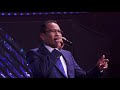 Ma Ta Door Dekhi Aaye — The Voice of Nepal live |
4:59 |
Catalogue checked November 19, 2026.
Frequently asked questions
Is Deep Shrestha also a composer?
Yes. Official credits name him as composer of “Ma Ta Dur Dekhi Aaye”, “Har Raat Sapanima” and “Jhaskiyecha Man Mero”, among other recordings linked here.
Which songs offer a useful starting point?
Begin with “Ma Patharko Deuta Haina”, “Ma Ta Dur Dekhi Aaye” and “Kati Kamjor Rahecha Bhagya”, discussed in The Himalayan Times’ profile, then compare the studio and live recordings below.
Profile image: Deep Shrestha. Source: ECS Nepal.