Aruna Lama was an Indian Nepali-language singer from Darjeeling whose work became treasured across the Nepali-speaking world. Known as the Nightingale of the Hills, she belongs in any introduction to the region’s modern-song tradition. Her career is a reminder that Nepali-language music has long been made through exchanges among Darjeeling, Kathmandu and other communities, rather than within one national boundary.
Darjeeling and a musical apprenticeship
Lama grew up in the Darjeeling area and began singing as a child. ArtistNepal’s digital archive records encouragement from her uncle C. B. Lama, an early competition appearance and subsequent guidance from Amber Gurung. It also places her among a rich circle of composers: Karma Yonjan, Gopal Yonjan, Shanti Thatal, Narayan Gopal and Dibya Khaling were among those whose compositions she sang. The archive’s biography provides a career outline without reducing her work to one song.
Alongside singing, she worked in education and later in a welfare office. That parallel professional life is part of her biography, but the recordings remain the clearest way to encounter her artistry. The archive documents performances in both Darjeeling and Kathmandu, showing the reach of her career across Nepali-speaking audiences.
Songs that introduce her voice
Begin with “Pohor Saal Khusi Phatda,” “Hera Na Hera Kanchha” and “E Kanchha Malai Sunko Tara.” They are among the songs named in Khabarhub’s remembrance of Lama. Follow them with “Eklai Basda” or “Bhettinu Chhutinu,” identified in OnlineKhabar’s survey of Nepali music legends.
Another useful introduction is “Phool Lai Sodhein.” OnlineKhabar credits its music to Karma Yonjan and its lyrics to Norden Rumba. Its classic-song guide places the recording alongside other enduring Nepali songs. Hearing the composer and lyricist credits together is helpful: Lama’s achievement includes her interpretation of material created by a wider artistic community.
For a first listening session, alternate a familiar title with a less familiar recording. Pay attention to how the voice handles the end of a line and how the accompaniment supports it. This makes it easier to appreciate a singer’s choices across several songs, instead of hearing each recording only as a nostalgic favourite.
Lama died in 1998. Memorial events and continued performances of her repertoire keep her work present for listeners who never saw her on stage. Her place in Nepali music rests on those performances and their continuing emotional reach. To explore a wider range of artists after these classics, visit Odhan’s Nepali music charts.
Discography
This listening selection links recordings credited to Aruna Lama and distributed by Music Nepal through YouTube’s auto-generated artist Topic service. The source is official label-distributed audio, not a channel managed by Lama.
Year refers to the linked YouTube upload, which may be later than the original song release. A curated selection of 36 distinct Music Nepal recordings, including credited duets. Duplicate editions and ambiguous newer composites are omitted; this is not a complete lifetime discography.
Singles and music videos
 Nasodha Malai
 Sagar Bani Deu Timi — with Mahesh Rai
 Aankhama Mero
 Mero Aankhako Nid — with Deep Shrestha
 Mann Ma Timro — with Deep Shrestha
 Balla Mannma
 Ye Kanchha Malai Sunko — with Rudra Mani
 Herana Hera Kanchha — with Jitendra Bardewa
 Aankhaharule — with Mani Kamal Chhetri
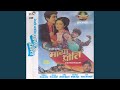 Maya Pirati Ko — with Kiran Pradhan
 Kala Kurtaile — with CP Lohani
 Dherai Chul Bul Nagara — ensemble recording
 Chaubandi Ko Tuna Ma — ensemble recording
 Hanga Hanga
 Chautarima Basera
 Eaklai Basda
 Udas Mero Jeevan
 Sabaile Bhanthe
 Udi Jau Bhane Ma Panchhi
 Phoollai Sodhe
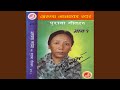 Pohar Saal Khushi Fatda
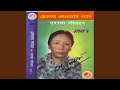 Ma Aankha Ma Rakhine
 Lahare Bara Ghumaune Chaut
 Yati Dherai Maya
 Ma Ta Chupchap
 Birahale Royeko
 Sapana Maile Ke Dekhe Aaja
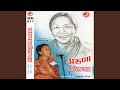 Badal Ko Bhagya
 Dahine Aankha
 Sadhai Jaso
 Hasi Hasi Jalirahe
 Deurali Ko Pakhama — with Jitendra Bardewa
 Kal Kal Sal Sal — with Prasad Shrestha
 Yi Otha Timra
 Bhetinu Chhutinu
 Jovanma Jogiyara — with Kumar Subba
Catalogue checked November 19, 2026.
Quick questions
Was Aruna Lama from Nepal? She was from Darjeeling, India, and was a major Nepali-language singer.
What was her popular honorific? Nightingale of the Hills.
Where should I start listening? “Pohor Saal Khusi Phatda,” “Hera Na Hera Kanchha” and “Phool Lai Sodhein” offer a useful introduction.